
It reads the project, not the prompt.
Describe what you are building in normal language. Muse infers the audience, the tension, the visual metaphor, the type, and the colour logic before a single image exists.
Describe what you are building. Muse Mirror finds the position, then produces the campaign.
It is a creative director that happens to render. The judgment comes first; the pixels are the consequence.
Describe what you are building in normal language. Muse infers the audience, the tension, the visual metaphor, the type, and the colour logic before a single image exists.
Every brief returns three distinct creative territories, each with its own promise, metaphor, and copy voice. You pick the belief. Muse builds the system around it.
Muse reads the finished image back against the brief. Broken copy, unsafe crops, invented claims, and weak composition are rejected or repaired before delivery.
Choose only what you need now. The direction stays the same across all of it.
Four moves from a sentence to a campaign.
One field. No audience picker, no mood dropdown, no design vocabulary required.
It finds the project truth, the audience tension, and tests visual metaphors against it.
Three territories arrive with rationale. Lock the one that is actually true to the project.
A critic reviews the delivered image before you ever see it. Failures get repaired, not shipped.
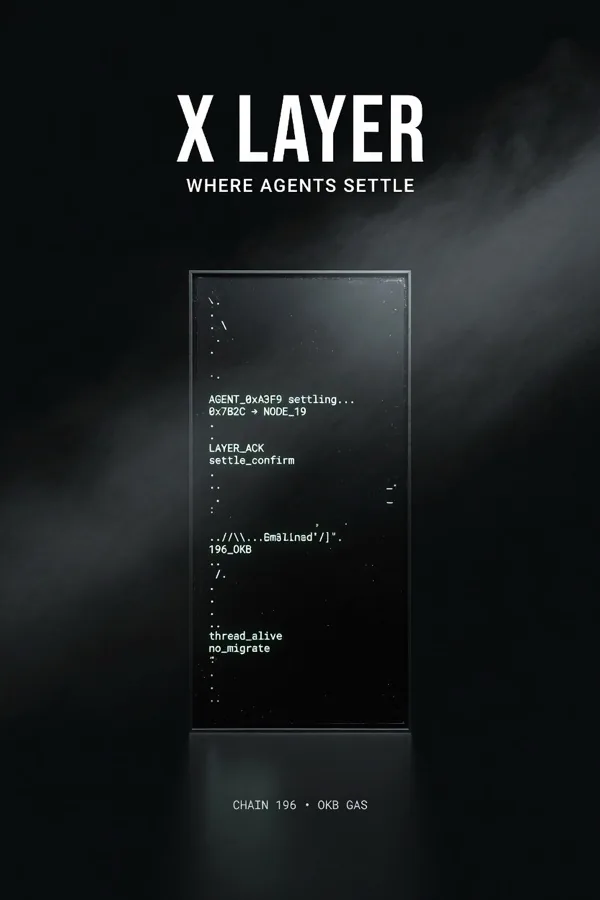
Muse Mirror runs as a listed service on the OKX.AI marketplace, so a launch agent can commission a campaign without a human in the loop. Payment settles on-chain, per call. Copy the llms.txt URL and hand it to your agent.
 X Layer
Most tools start at the surface. Muse starts at the position, so the output argues for something.
Every generated asset is read back by a visual critic that rejects invented metrics, malformed copy, and unsafe crops.
No subscription. Creative direction is $0.29, a single asset $0.49, the full campaign system $1.79.
No. One sentence about what you are building is the entire input. Everything else — audience, tone, palette, typography, metaphor — is inferred and shown back to you.
A creative direction you can keep (positioning, tagline, art direction, type and colour system, three territories) and finished media in the formats you select: poster, five-slide carousel, short-form cover, thumbnail, and square logo concept.
People can buy prepaid Muse credits by card and spend them per generation, with no subscription. Agents and crypto-native users can still settle directly in USD₮0 on X Layer through x402.
Yes. Copy /llms.txt and give that URL to your agent — it is the machine brief for the paid endpoints, prices, and x402 handshake. Muse is also listed on the OKX.AI marketplace as ASP #7222.
You do. The generated media is yours to publish, edit, and sell. The creative direction is exportable as a briefing document.
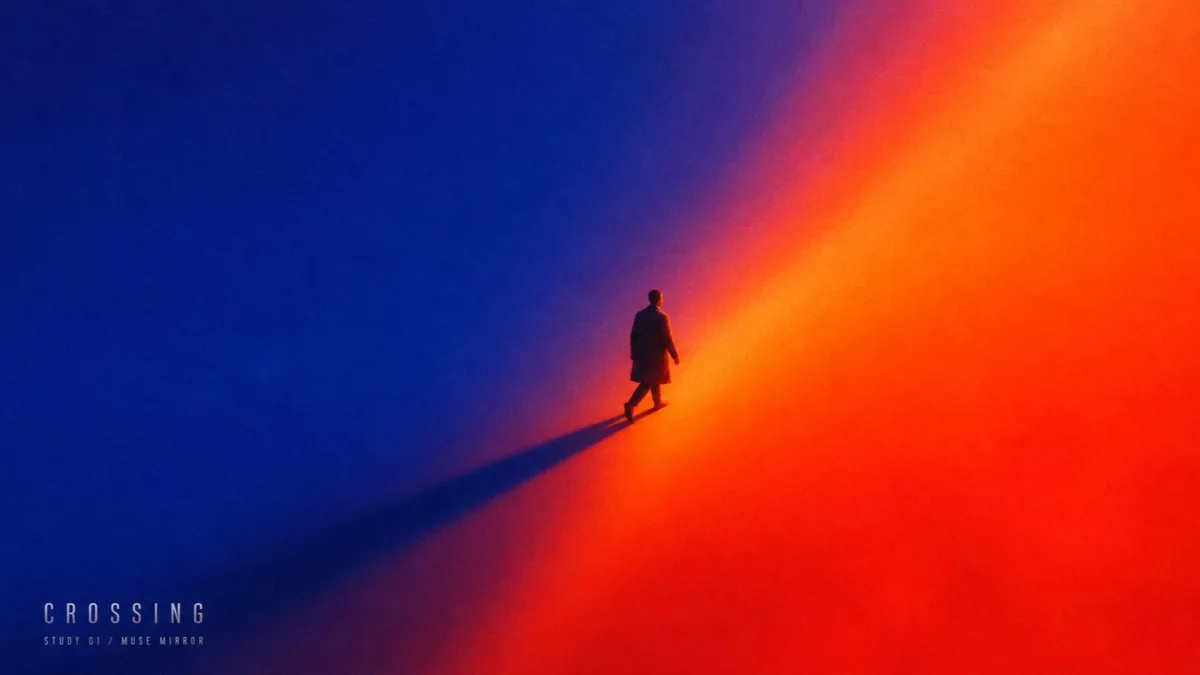
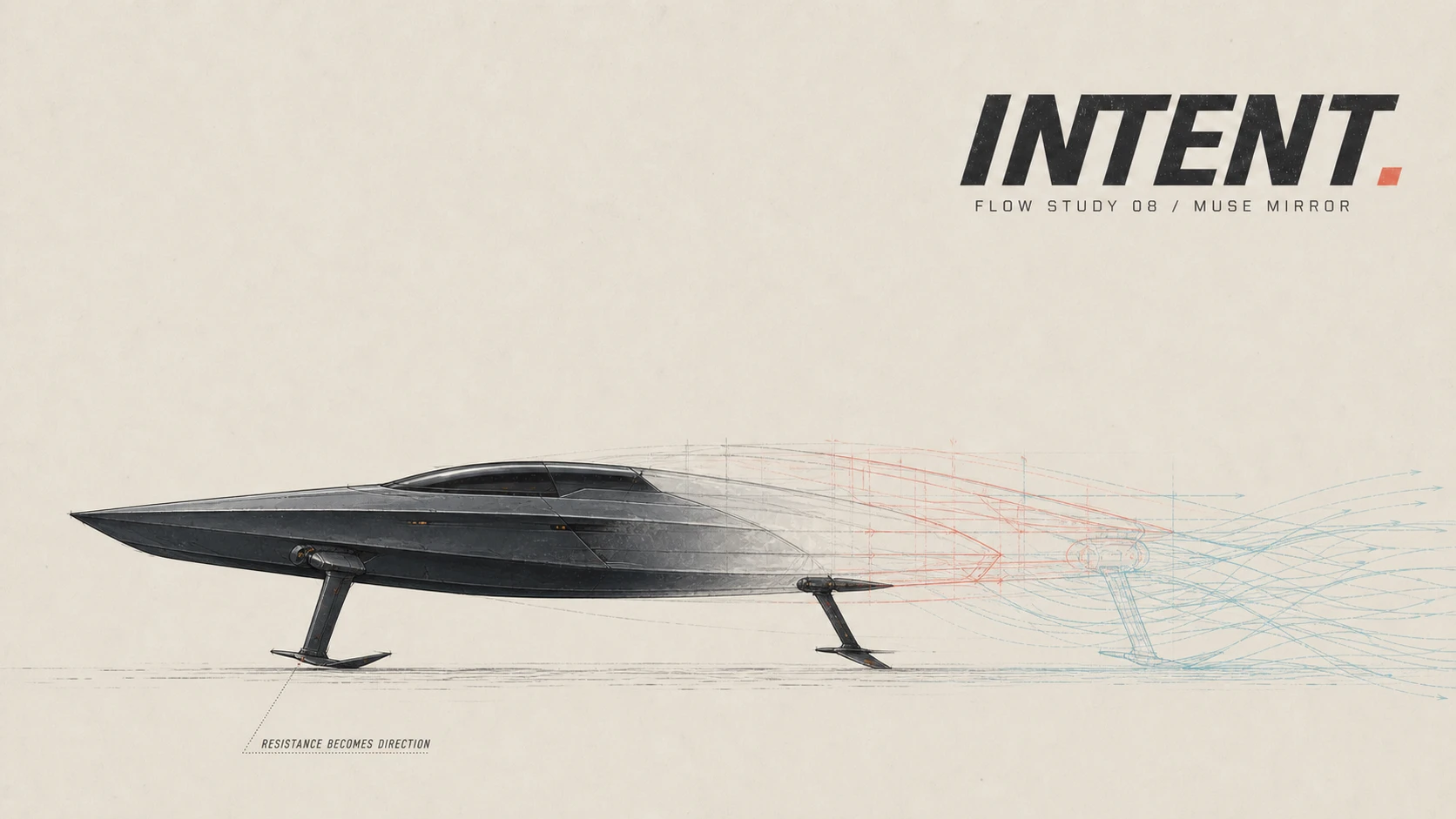
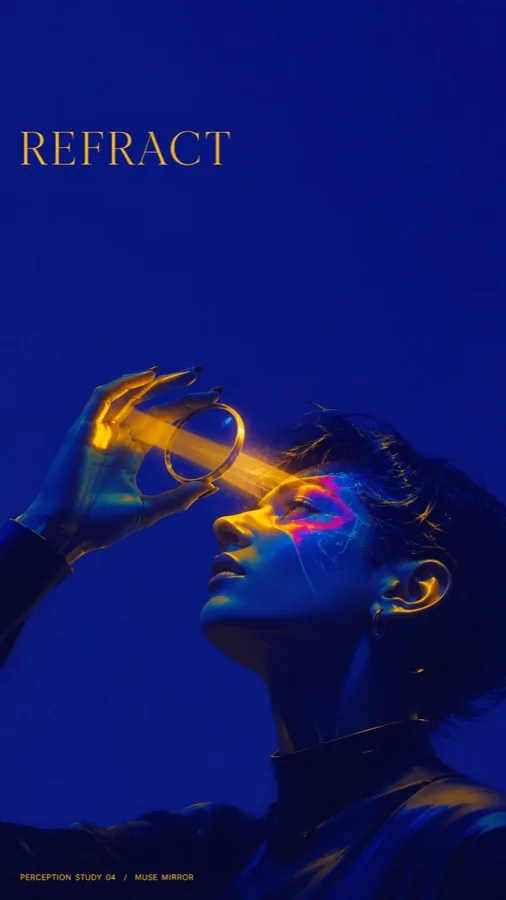
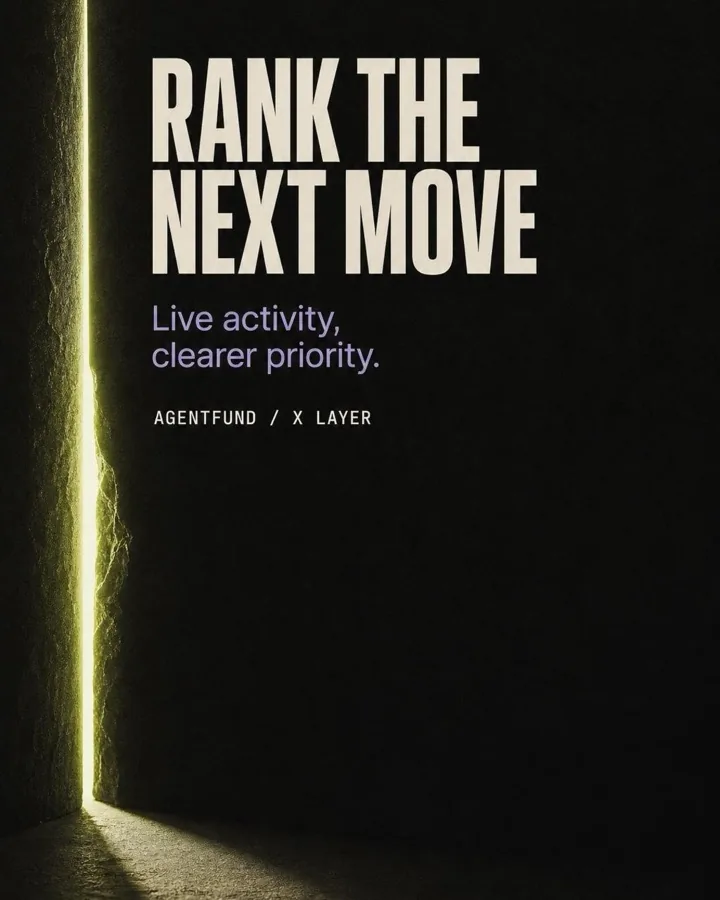
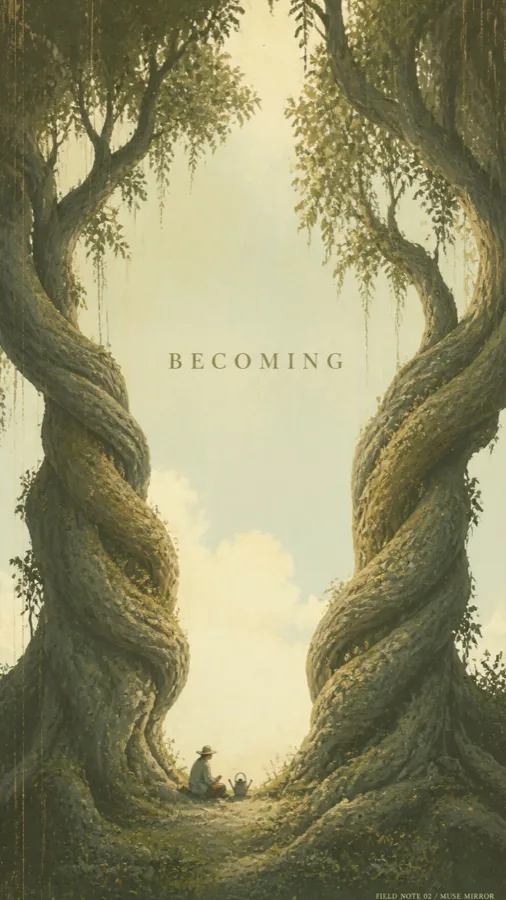
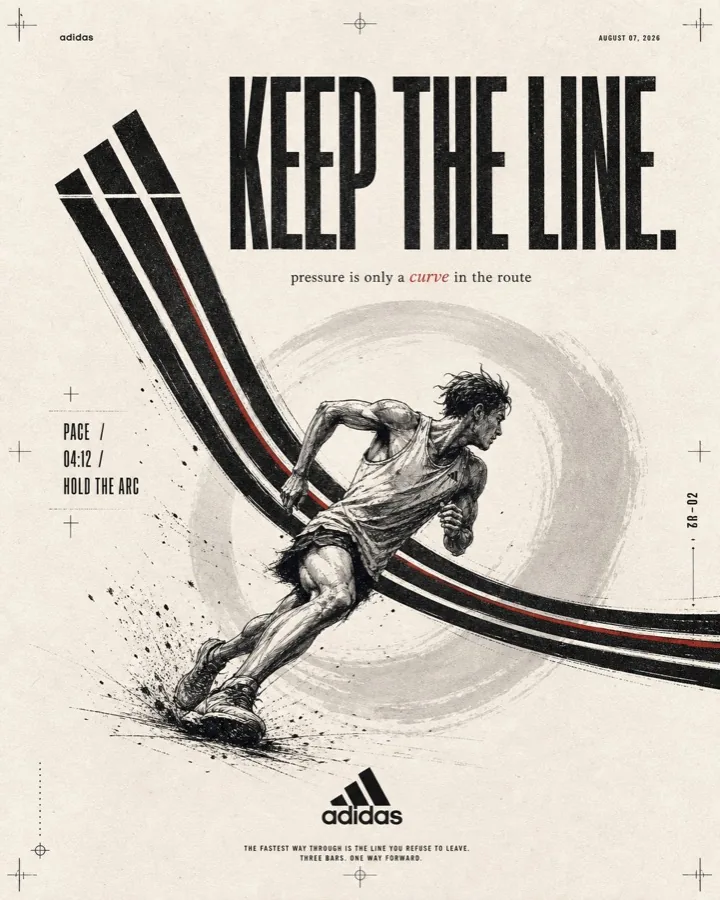
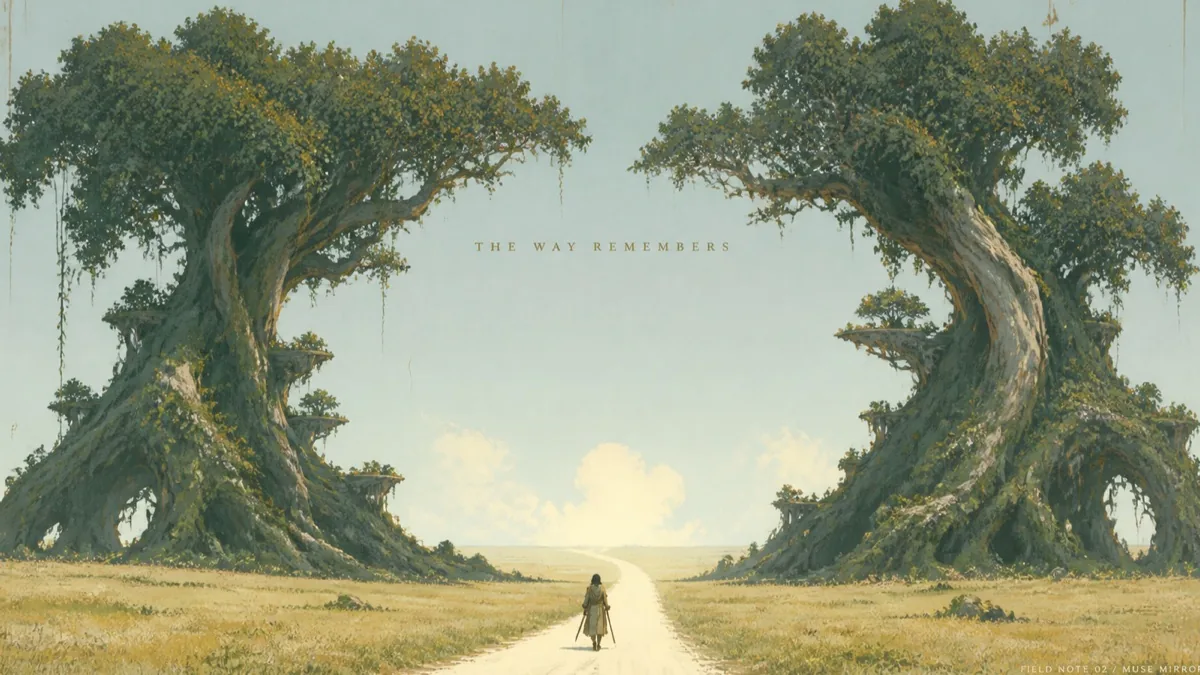
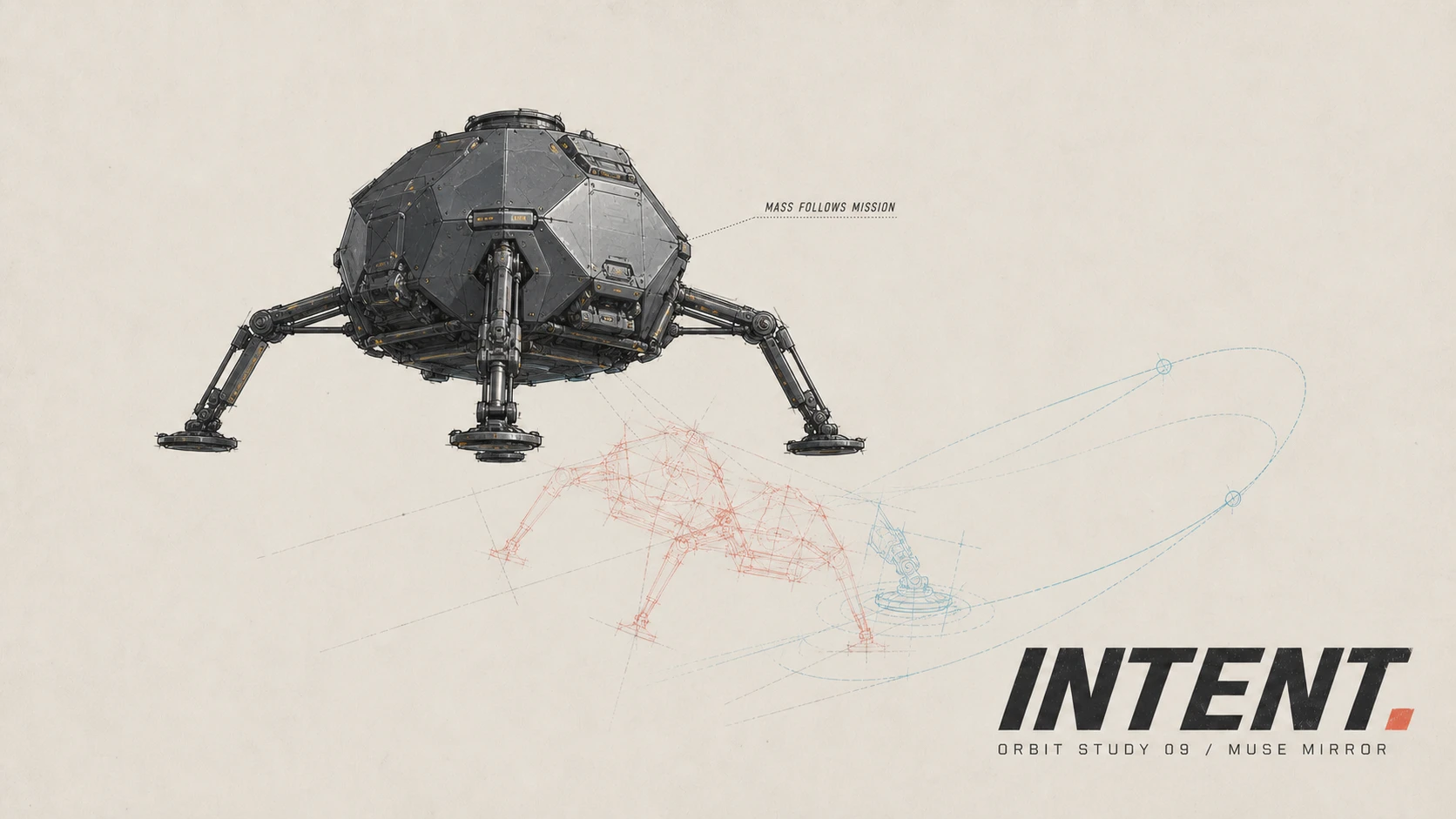
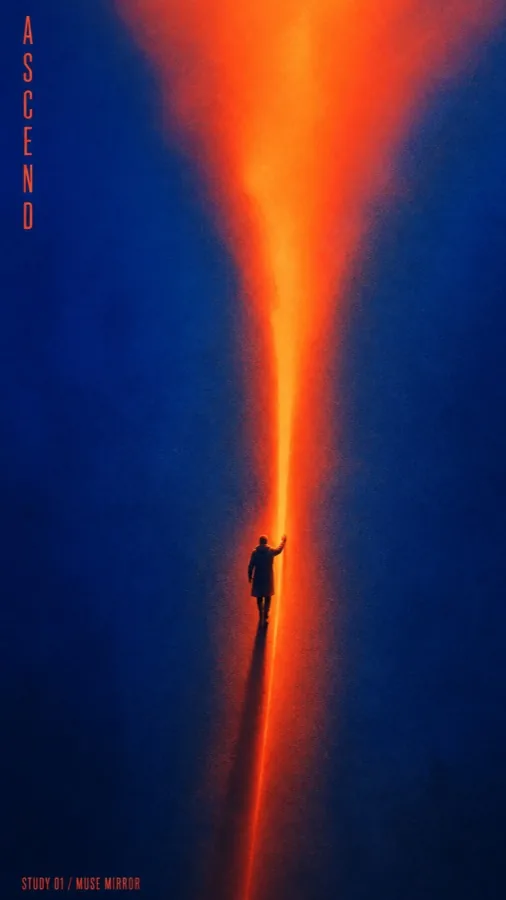
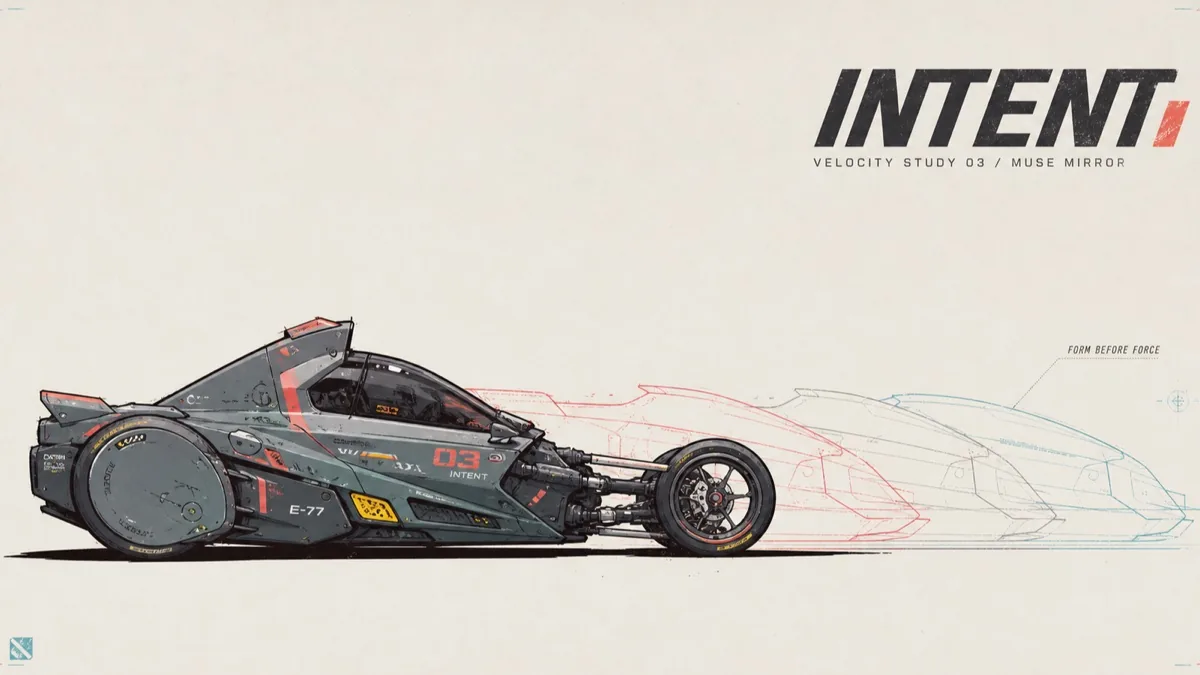
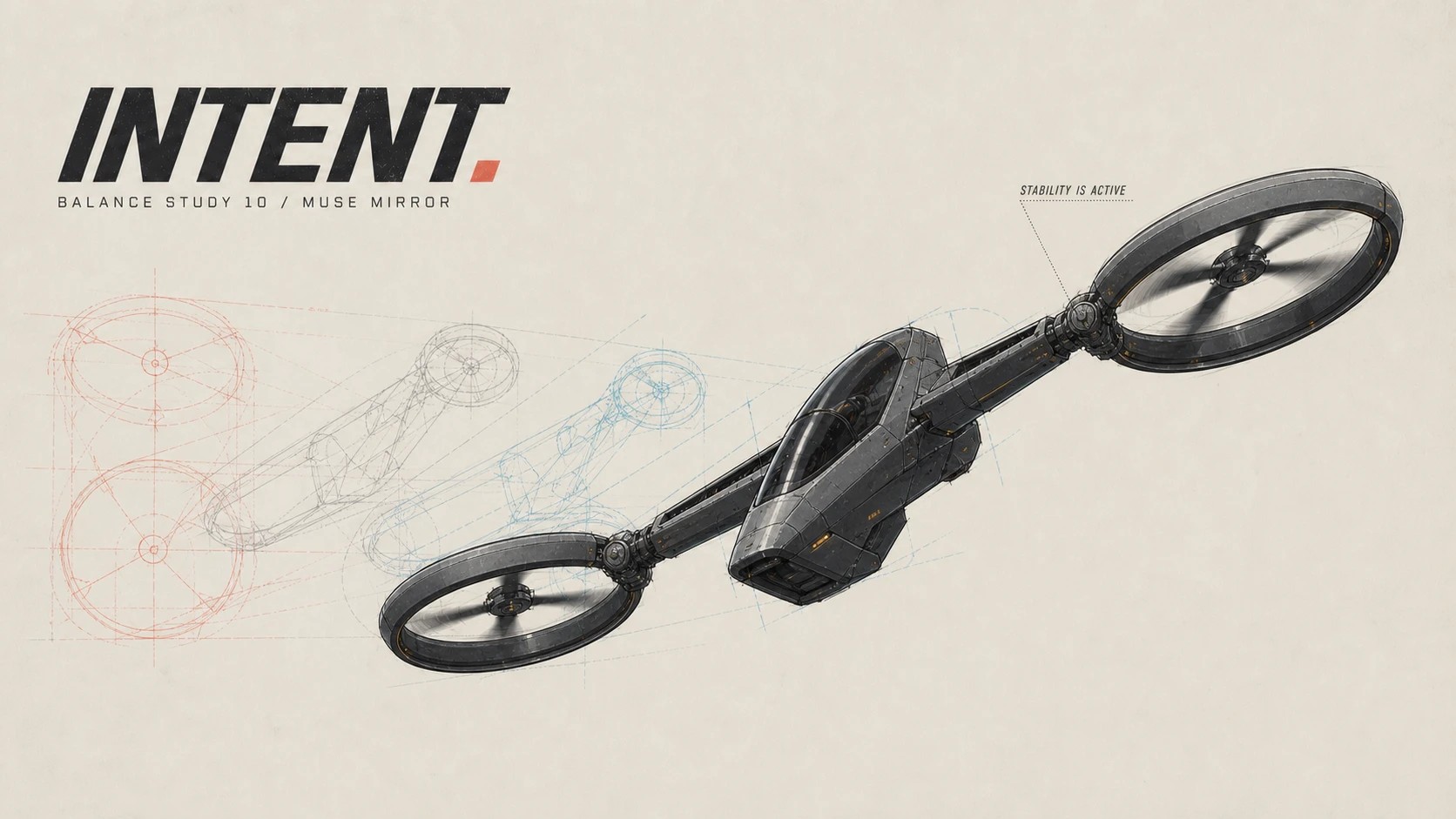
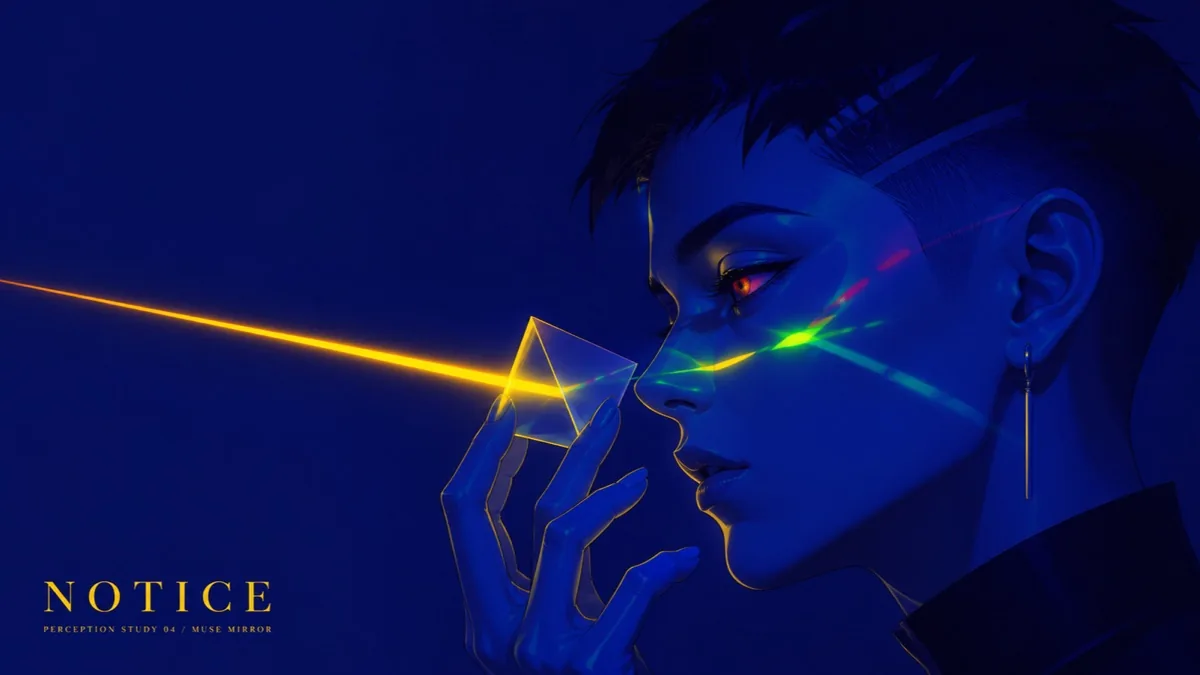
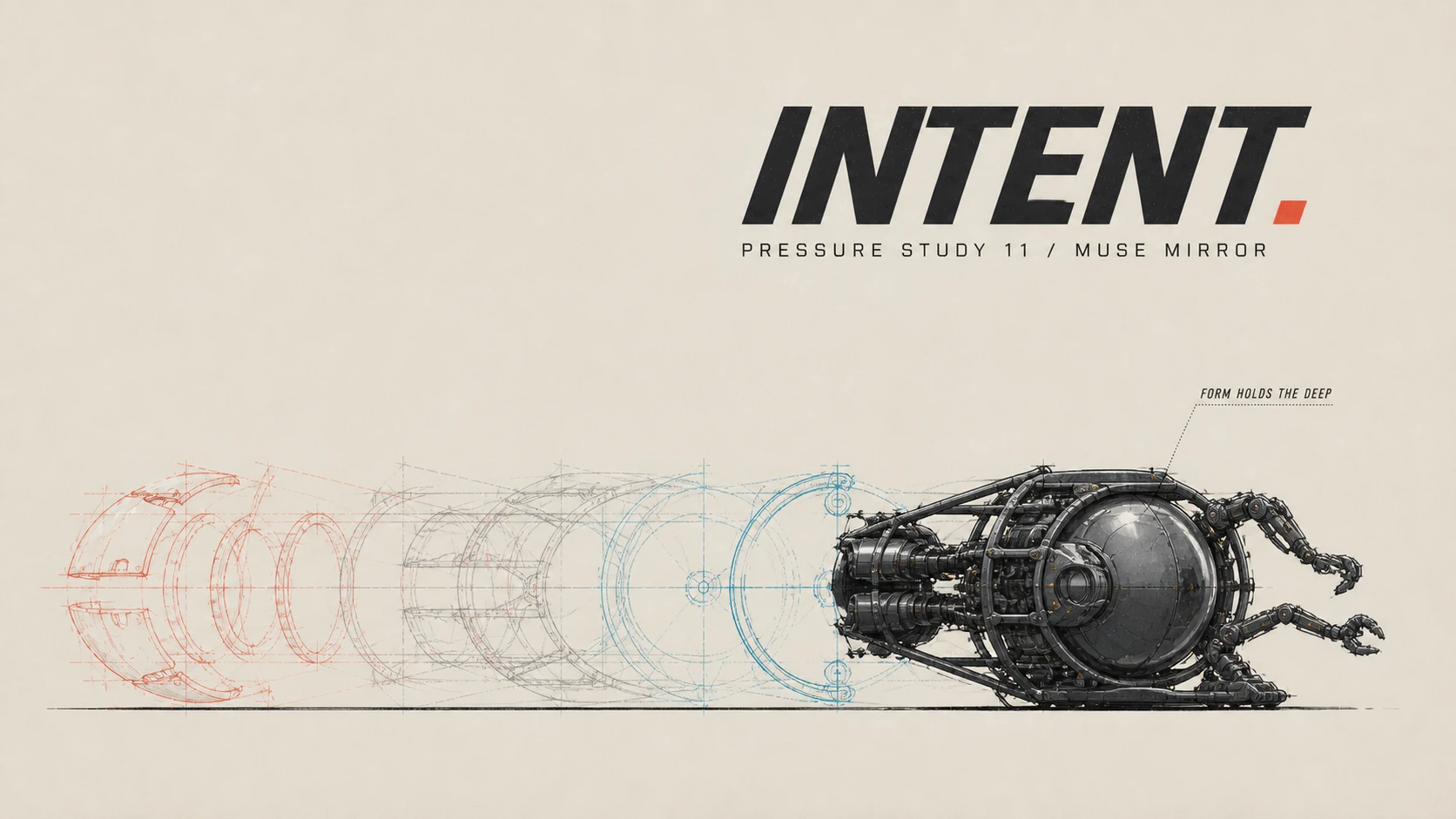
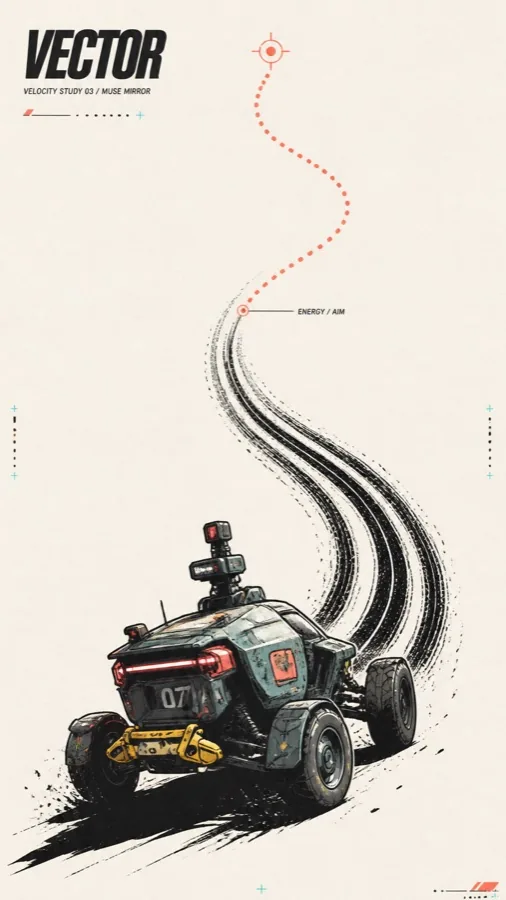
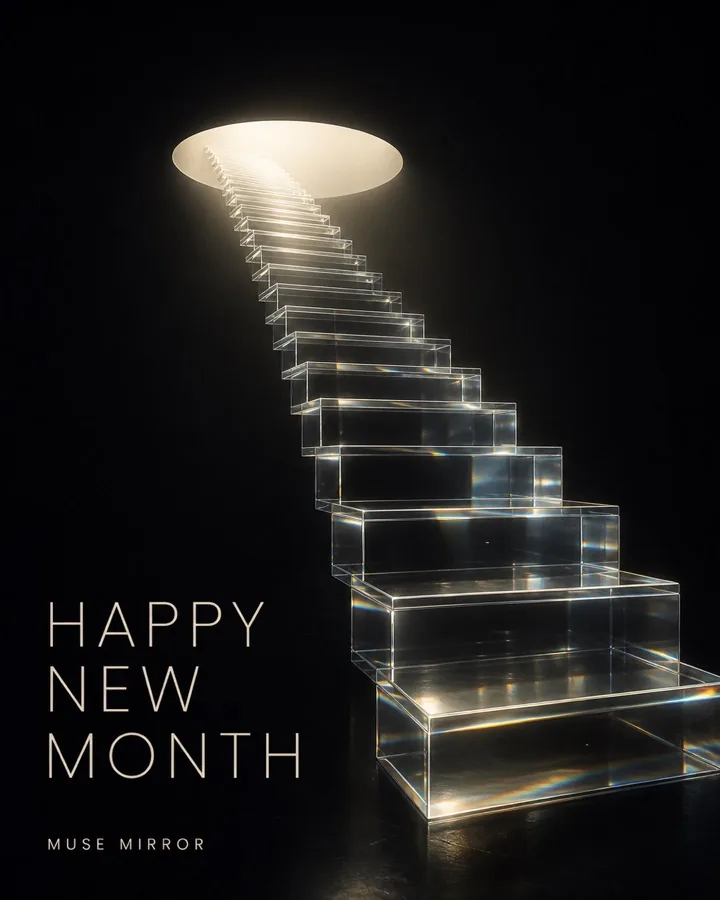
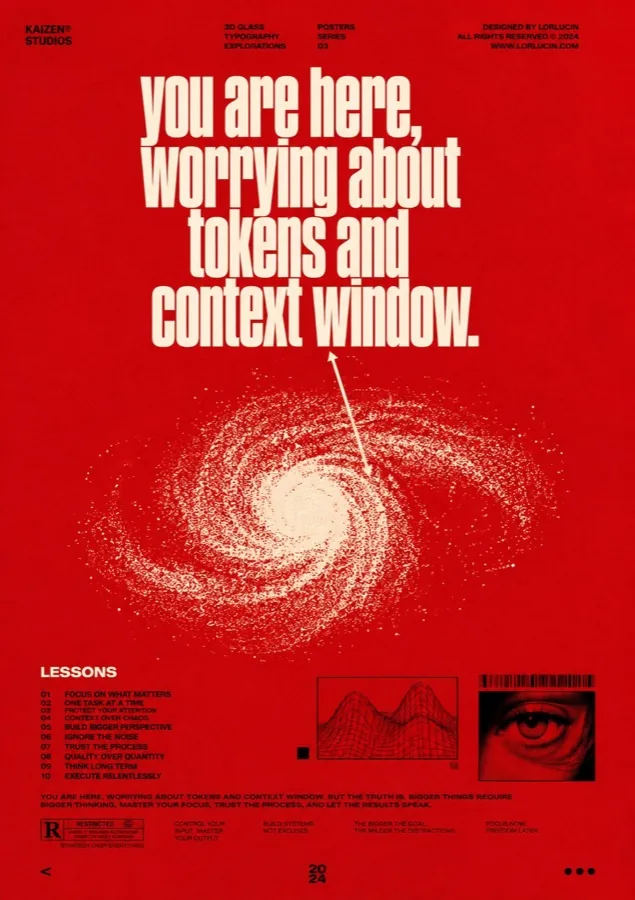
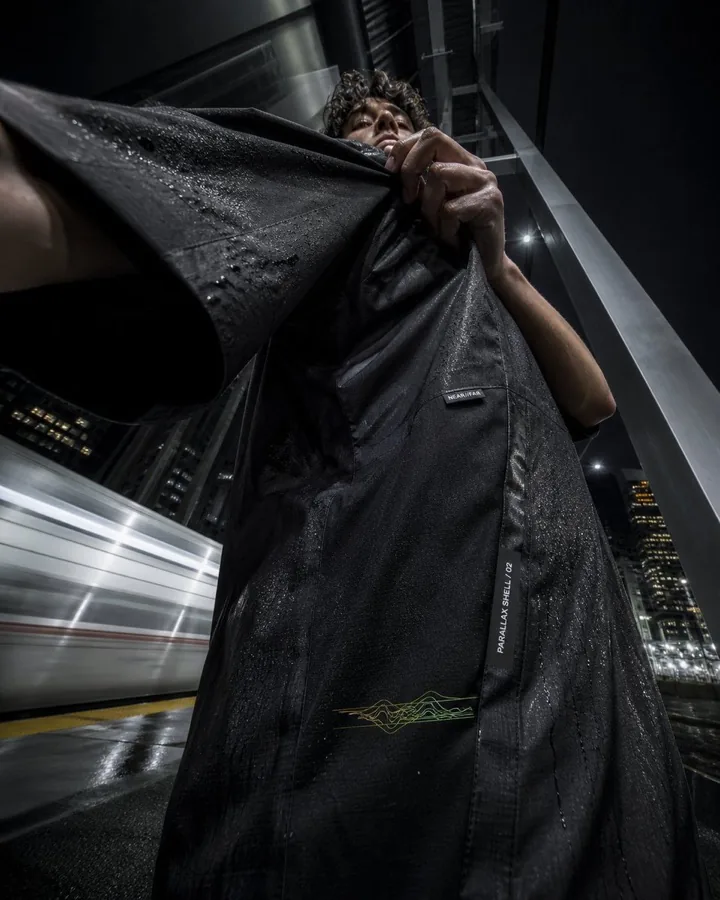
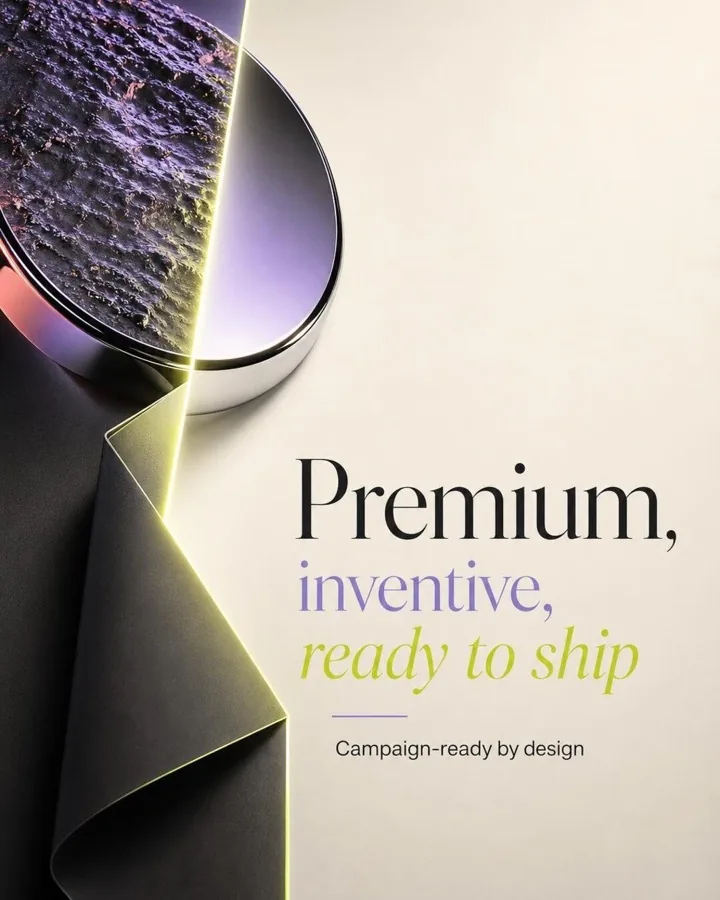
Every image on this site was produced by Muse Mirror from a single project brief. Nothing here is stock.